With the Chinese New Year holiday approaching, what are the price trends for tilapia?
The Chinese New Year holiday is fast approaching, and the Chinese tilapia industry is also entering its holiday rhythm. Unlike previous years, this year's pre-holiday fish prices are showing distinct regional and channel-specific variations. While processing plants are gradually shutting down for the holidays, seemingly cooling the market, strong local consumer demand has taken over, creating a contrasting market situation in the main production areas of South China. Meanwhile, the calm in major overseas markets suggests that the global supply chain is waiting for new signals after the Chinese New Year.

Production shutdowns before the Spring Festival lead to a cooling of processing demand, resulting in regional differentiation in the raw material market.
As the Spring Festival holiday approaches, major tilapia processing plants in South China have been gradually starting their annual maintenance shutdowns since early February. As is customary in the industry, this means a significant decrease in the concentrated demand for raw fish from these factories.
However, the market presented a different picture: raw material prices in Guangdong rose slightly, while prices in Hainan and Guangxi remained stable and did not follow suit. This clear regional divergence indicates that the driving force behind the current rise in fish prices in Guangdong is not coming from the processing and export industry chain.
Live fish prices are showing an upward trend, with larger-sized products being particularly popular.
The real driving force behind the rising fish prices in Guangdong comes from the booming domestic consumer market. The concentrated demand from restaurants and households stocking up before the Spring Festival has made local live fish sales channels exceptionally active.Market feedback indicates that the overall supply of tilapia is currently tight, and consumer preference for larger-sized fish is particularly strong, leading to a shortage of live products meeting the specifications and providing strong support for prices.
This contrasts sharply with the sluggishness in the processing sector: processing plants in Hainan are in the final stages of pre-holiday production, and their willingness to purchase raw materials is low, naturally lacking a basis for price increases. Many industry participants have already turned their attention to the post-Chinese New Year period, closely monitoring the pace of processing plant resumption and market demand recovery after the holiday.
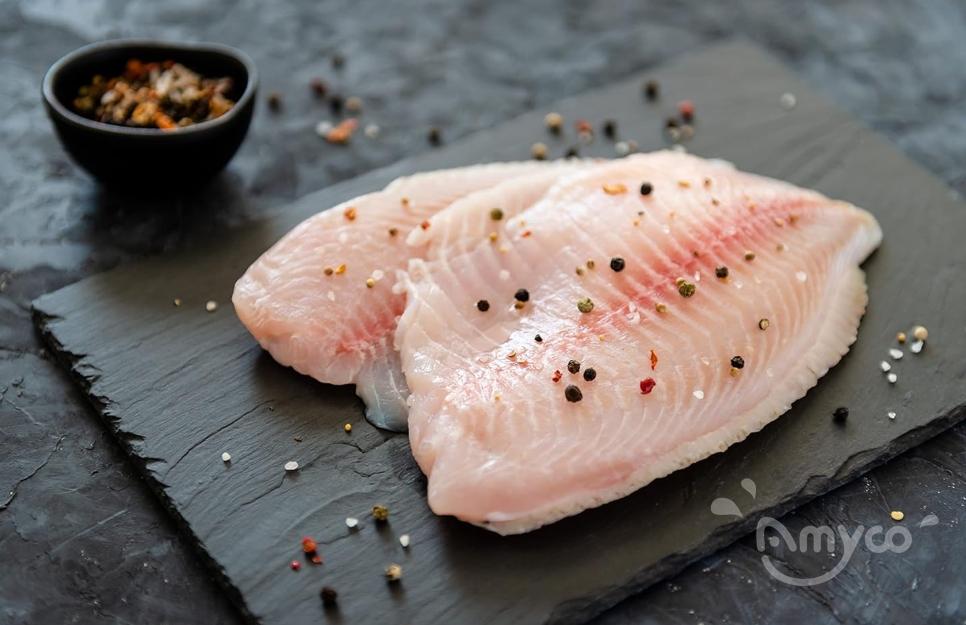
Overseas markets are showing strong wait-and-see sentiment, and US frozen food prices are consolidating sideways.
While the domestic market experienced minor fluctuations due to holiday factors, major overseas consumer markets remained remarkably calm. In the fifth week of 2026, prices for frozen tilapia fillets in the US wholesale market remained stable, showing no significant fluctuations. Following the year-end holidays, US importers generally reported ample inventory and a relaxed attitude. Current purchasing strategies focus on covering basic needs, with no urgency to expand inventory. Consequently, market trading activity was light, and prices for mainstream specifications of frozen fish fillets showed a sideways trend. This wait-and-see attitude reflects that international buyers are waiting for the production and supply situation to become clearer after the Chinese New Year.
Reference : YUYIPAI
Latest News
-
 Tilapia prices rise in China-In week 31 (July 27 to August 2)China Tilapia Price Analysis
 -
 U.S. tilapia and basa prices continue to firm, inventories are low, and demand is stable and strongIn the United States imported farmed white fish (mainly tilapia and basa fish) market, affected by the tight supply chain, the overall wholesale price is still at a high level, and the upward pressur...
 -
 The price of Chinese tilapia has continued to rise, and farmers' confidence in stocking has recovereIn the 33rd week of 2026 (from August 10th to 16th), the price of raw tilapia in China continued to rise. The prices of 300-500 grams and 500-800 grams of tilapia from the production areas of Guangdon...
 -
 Are U.S. seafood wholesale prices rising?According to the tariff policy announced by US President Trump on the 27th, the United States will implement new tariffs on imports from China and other countries from March 4, which is expected to fu...
 -
 Typhoon Matmo severely damaged golden pompano aquaculture,how is price trend ?On October 15, 2025, Typhoon Matmo, the 21st typhoon of the year, made landfall along the coast of Zhanjiang City, Guangdong Province, severely damaging golden pompano aquaculture in Zhanjiang and Yan...