Vietnamese Tilapia dominates Brazil's import market.
A recent trade report released by the Brazilian research institution Embrapa Pesca e Aquicultura and the industry association Peixe BR shows that, in the first half of 2026, Vietnam further solidified its position as the sole supplier of tilapia to Brazil. All tilapia imported by Brazil during this period consisted of frozen fillets sourced exclusively from Vietnam; with an import volume of 8,097 tonnes and a value of US$33.4 million, the product ranked as Brazil's third-largest imported farmed aquatic products.

Tilapia’s performance in the Brazilian import market stood in contrast to the overall trend. In the first half of the year, Brazil’s total imports of farmed aquatic products reached 109,892 tonnes and $629 million, marking year-on-year increases of 19% in volume and 16% in value. However, entering the second quarter, overall imports declined—falling 15% quarter-on-quarter to 50,577 tonnes and 9% to $300.4 million—as the strong start seen in the first quarter failed to sustain momentum. In contrast, tilapia bucked the trend and strengthened in the second quarter, with import volumes reaching 4,524 tonnes and values hitting $18.8 million—increases of 17% and 28% respectively—making it the standout product category for the quarter.
Monthly data reflect fluctuations in the pace of tilapia imports. Import value rose from $4.96 million in January to $6.65 million in February, peaking at $8.02 million in March—the highest level for the first half of the year—before retreating to $6.30 million in April, recovering to $7.08 million in May, and dropping to $5.44 million in June. Import volume followed a similar pattern, hitting a first-half high of 1,956 tonnes in March (compared to 1,183 tonnes in January, 1,510 tonnes in April, 1,672 tonnes in May, and 1,342 tonnes in June). Although figures fell back after the March surge, the overall level for the second quarter remained higher than that of the first quarter.
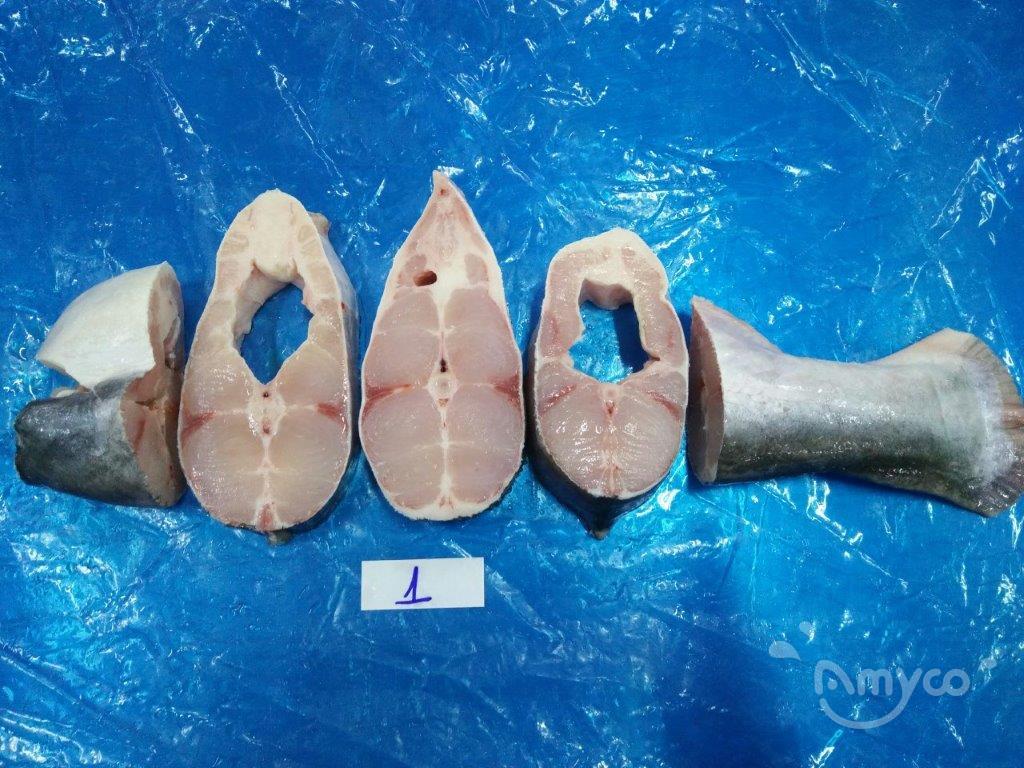
In contrast to the expansion of tilapia, pangasius, also supplied from Vietnam, continues to shrink in the Brazilian market. In the second quarter, Brazilian pangasius imports amounted to 14,384 tons and the import value was US$40.7 million, a 23% decrease in volume and a 22% decrease in value from the previous quarter. The report pointed out that the increase and decrease in imports of tilapia and pangasius may reflect that Brazilian importers and consumers are gradually substituting between the two types of Vietnamese white-fleshed fish. The report further stated that Brazilian importers and consumers "increasingly favor tilapia." Pangasius remained Brazil's second largest imported aquaculture product in the first half of the year, with an import value of US$92.7 million, but its proportion in the import structure is being compressed with the expansion of tilapia.
Vietnam is also a supplier of Brazilian pangasius and tilapia. The two products have the same source but different trends, making Brazil an important market for observing changes in Vietnam’s white-fleshed fish export structure. The import volume of pangasius is still higher than that of tilapia, but the decline rate is faster; the tilapia volume is smaller, but it maintains month-on-month growth. The report believes that Brazilian buyers’ adjustment of purchasing structure between the two types of fish is one of the factors driving the continued rise in tilapia imports.
Salmon remains the absolute mainstay of Brazil’s imported aquaculture products. Salmon imports in the first half of the year were worth US$500.4 million, accounting for approximately 80% of Brazil’s total farmed fishery imports. In the second quarter, salmon import volume was 31,401 tons and the import value was US$239.8 million, a 14% decrease in volume and an 8% decrease in value from the previous quarter, which is consistent with the overall import slowdown trend. The decline of salmon and the expansion of tilapia jointly shaped the changes in Brazil’s import structure in the second quarter.

The fact that Vietnamese tilapia can occupy the exclusive import share in the Brazilian market and grow against the trend is related to product form and price positioning. All tilapia imported from Brazil are frozen fillets with uniform specifications and high degree of processing, making them easy to use directly in catering and retail channels. Pangasius has been affected by price fluctuations and quality disputes in recent years, and buyers have adjusted their category structure. As one of the world's major tilapia exporters, Vietnam's supply stability to Brazil supports its exclusive position.
The import value of tilapia in June was US$5.44 million and the import volume was 1,342 tons, which was the second lowest in a single month in the first half of the year, indicating that the import pace has slowed down after the peak in March. Whether Vietnam's tilapia exports to Brazil can continue the expansion trend in the second quarter in the second half of the year depends on the pace of Brazilian buyers' restocking and the continuation of the substitution trend between pangasius and tilapia.
Latest News
-
 China's salmon consumption growth imperiled by higher import pricesChinese consumers are facing soaring prices for imported salmon, and that may not be good for long-term market growth, according to Fan Xubing, head of the Beijing-based seafood marketing consultancy ...
 -
 Looking forward to meeting you during the China Fisheries and Seafood Expo from Oct 29th to 31st.We, AMYCO FOOD will attend the China Fisheries & Seafood Expo from Oct 29th to 31st,2025. If you’re seeking reliable seafood supplier with competitive pricing and premium quality, we’d...
 -
 Pangasius snatches the tilapia market, but the prospect of Chinese tilapia is still brightChina, the main producer and supplier to the US market, is expected to increase supplies by 3% to 1.716 million tons.
 -
 Fish Buying Guide : 8 Essential Criteria to Judge the Freshness of a FishFish is a healthy product, but choosing a good fish when you are a beginner in the kitchen can be tricky. I want to share with you some tips to properly judge the quality and freshness of the fish bef...
 -
 U.S. tilapia market faces supply-demand dilemma and tariff issuesThe U.S. tilapia market is experiencing unprecedented supply and demand challenges. In 2024, retail sales declined due to production issues, while reduced consumer demand for seafood also exacerbated ...