China's Tilapia Export Destinations Undergo a Major Shake-up
From Nov 2 to 8, 2026, tilapia raw material prices diverged across key southern production bases in China. The 500–800g specification gained RMB 0.20/kg in Hainan, but fell RMB 0.10/kg in Guangdong and Guangxi. The price spread between Hainan and Guangdong/Guangxi narrowed, with distinctly different price movements in the south.
This week, the delivered price to processors in Hainan rose by approximately USD 0.03 per kg, while purchasing prices at processing plants in Guangdong and Guangxi edged down slightly. Regional price movements were not aligned. Quotations for raw fish of the 500–800g specification drove the main market changes in southern producing areas this week. For processors, the regional gap in raw material procurement costs has narrowed, though acquisition prices still vary across different producing regions.
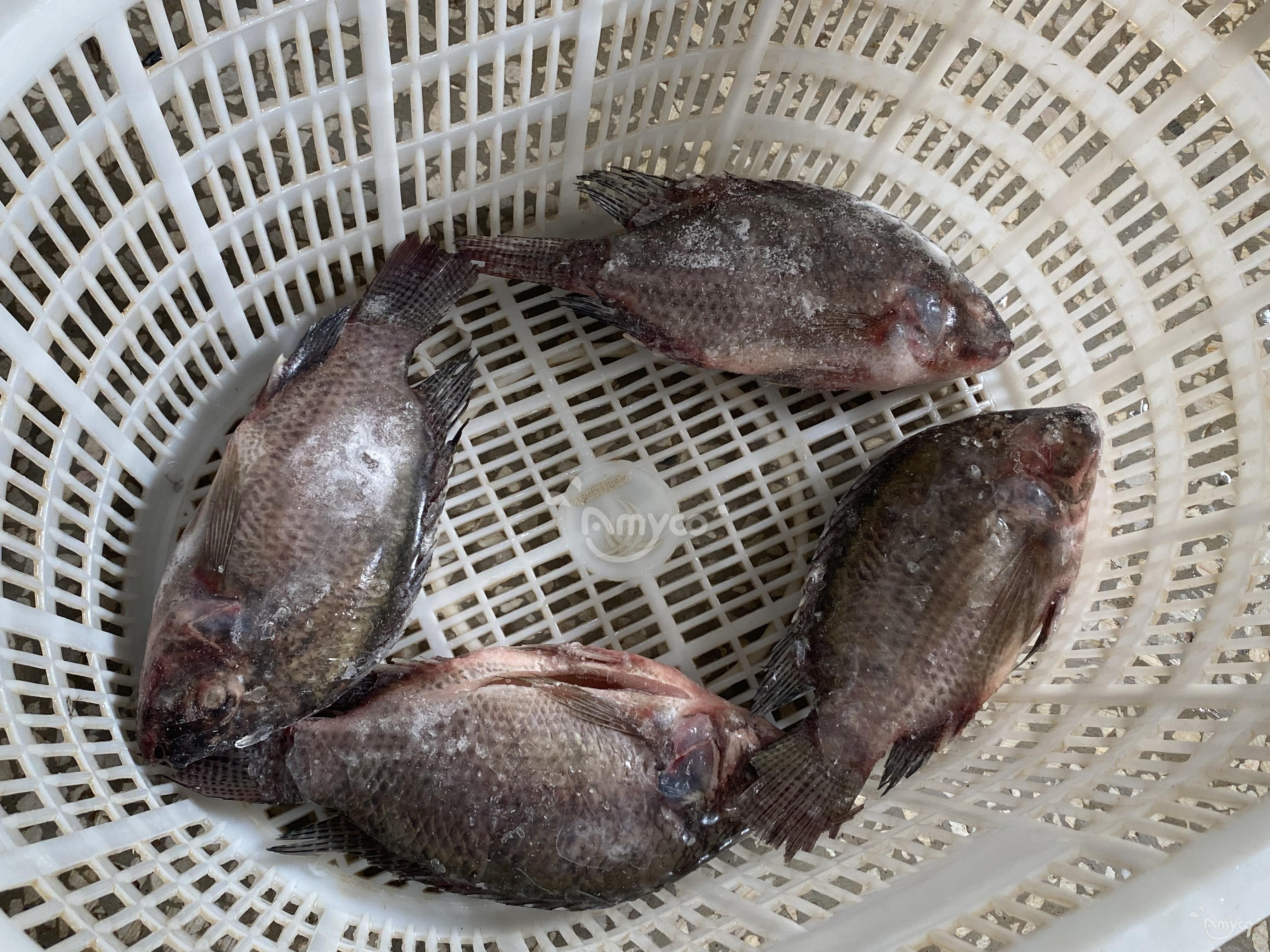
Côte d’Ivoire and Mexico Overtake the US, Reshaping the Export Market Structure
Changes in China’s tilapia export markets stand out prominently. At the 2026 China Seafood Summit, the Hainan Aquatic Products Processing & Marketing Association revealed that, by export volume, the United States has fallen from China’s top destination for tilapia exports to third place, with Côte d’Ivoire and Mexico taking the first and second spots respectively.
From January to August 2026, China exported 106,100 tonnes of tilapia products to Côte d’Ivoire, 68,200 tonnes to Mexico and 61,600 tonnes to the United States. US-bound tilapia exports dropped by 13.2% year-on-year. The volume gap versus Côte d’Ivoire has widened.
By export value, however, the US is still China’s top tilapia market. The core reason lies in product structure: exports to the US consist mainly of high-value fillets, whereas African markets mostly buy whole frozen tilapia. Differences in unit value keep the US at No.1 in value terms despite its third-place ranking by volume.
From January to August 2026, China’s tilapia export value to the US stood at approximately USD 150 million, a year-on-year decline of 36%. While export volume fell by 13.2%, the export value dropped by as much as 36%. This indicates that China’s tilapia shipments to the US are facing not only lower volumes but also downward pressure on product values.
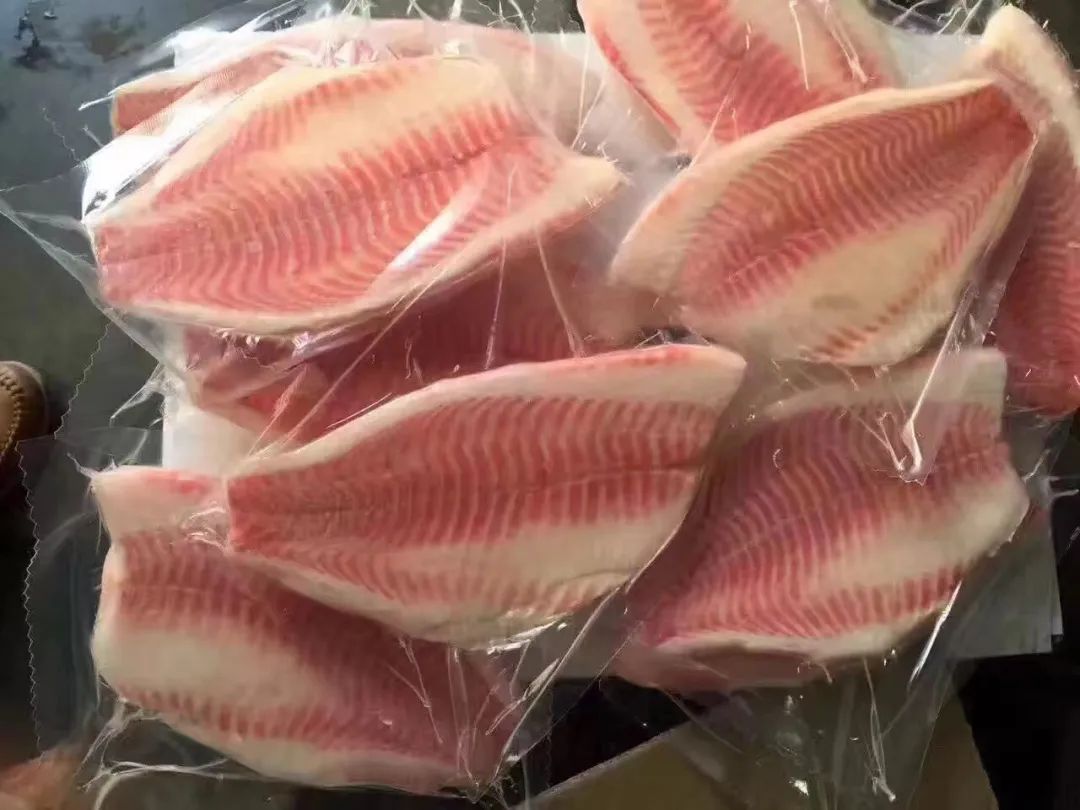
US Imports Fall in Both Volume and Value, China’s Tariff Disadvantage Remains Pronounced
US import data confirm contracting purchasing demand. In August 2026, the US imported 7,086 tonnes of tilapia, down 33.1% year-on-year; the corresponding import value reached USD 22.25 million, dropping 40.5% YoY. The steeper fall in import value versus import volume signals that the average value of imported tilapia also declined that month.
Tariff differentials remain a key competitive factor for Chinese exporters. Under the referenced tariff schedule, Chinese tilapia shipped to the US faces a duty rate of 37.5%, while Indonesian and Vietnamese products are subject to roughly 10%–12.5%. Chinese shipments bear a heavier import tax burden in the US market, giving suppliers from Indonesia and Vietnam a clear tariff advantage.
In its tilapia market analysis released in October 2026, the FAO (Food and Agriculture Organization of the United Nations) also flagged weak US demand and shifting trade flows as major features of the global tilapia market in 2026. The organization previously reported that China’s exports of frozen whole tilapia rose 39.4% year-on-year in Q1 2026, including 38,900 tonnes to Côte d’Ivoire. By contrast, China’s tilapia exports to the US fell 34.5% over the same period. Rising purchases of Chinese whole frozen tilapia by African markets stand in sharp contrast to shrinking US imports.
US Wholesale Quotations Steady in Week 44; Restocking Sentiment Awaits Further Observation
Frozen tilapia wholesale prices in the US held steady across the board within the established quotation range in Week 44 (Oct 26 – Nov 1). The US market carries relatively ample inventories, and buyers remain cautious in purchasing, which has temporarily offset the impacts from fluctuations in China’s raw material prices and restocking offers.
US wholesale prices did not rise in tandem with China’s raw material quotations. This shows that importers’ existing stock remains a key factor shaping purchasing schedules. For Chinese exporters, whether offers can be accepted by US buyers depends not only on raw material costs, but also on how fast importers draw down inventory and their actual restocking demand.
Prices in southern China’s producing areas already diverged in Week 45: Hainan saw gains while Guangdong and Guangxi posted declines. Meanwhile, the US market is still seeing stable wholesale prices and cautious buying. Moving forward, attention should be paid to US inventory turnover and importers’ acceptance of higher restocking prices.
Latest News
-
 Vietnamese Tilapia dominates Brazil's import market.All tilapia imported by Brazil during this period consisted of frozen fillets sourced exclusively from Vietnam; with an import volume of 8,097 tonnes and a value of US$33.4 million, the product ranked as Brazil's third-largest imported farmed aquatic products.
-
 The eel catch in the new fishing season is lower, and the price of eel will continue to rise.The 2024 eel fry fishing season in East Asia ended in disappointment. Despite the best efforts of national and regional fishermen, the overall catch of eel fry is still not satisfactory, down nearly 3...
-
 Golden pompano has reached its highest price in nearly five yearsWhen special fish such as California sea bass and raw fish fell below the cost price, golden pompano came out of a rare market. On March 30, there was good news of a steady rise in various production ...
-
 China's Tilapia prices have risen,can basa be alternative?Tilapia is one of the most popular white meat fish in many markets, including China and the United States. However, in the first quarter of 2024, tilapia prices increased due to supply shortages, whic...
-
 Barcelona's Seafood Expo on April 23-25,2024The largest global Seafood Expo ever opened on April,23 at Fira de Barcelona in Barcelona, Spain.New participants included Azerbaijan, Brazil, Cote d 'Ivoire, the Czech Republic and Kiribati hoste...
