Tilapia prices rise in China-In week 31 (July 27 to August 2)
In week 31 (July 27 to August 2), the price of tilapia weighing 500-800 grams
delivered to processing plants in Guangdong and Guangxi increased by RMB 0.10/kg
(approximately USD 0.015/kg), while the price in Hainan remained unchanged.
Farmgate prices in Guangdong continued to rise, while prices in Hainan have
remained unchanged for several months.

This round of price increases reflects the continued tightening of raw material supply.
The impact of low stocking volumes in the first half of 2026 is now carrying over into
the second half, resulting in a decrease in the supply of fish reaching market size.
The persistent high temperatures in the south are increasing the risk of
streptococcal disease outbreaks, further suppressing fish output.
Hainan exporters report that US orders have been scarce since the second quarter,
and fish fillet prices have remained at the same level. Although raw materials are tight,
there is no reason to raise prices. US buyers continue to pressure for lower prices,
and Hainan processing plants have not followed suit by raising their raw material purchase prices.
Wholesale prices of frozen tilapia in the US remained largely stable in week 30,
but factors supporting price stability are weakening. Ample domestic inventories and
a slower pace of purchasing in the US are limiting exporters' room for price increases.
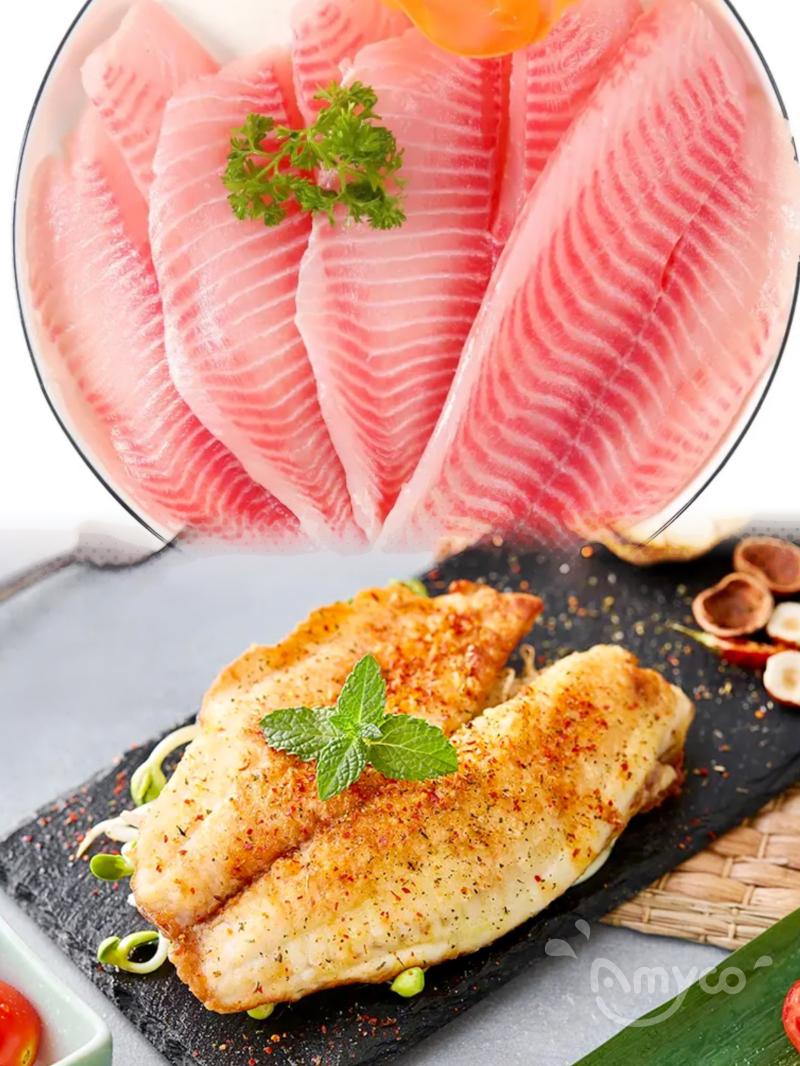
From January to May, the US imported approximately 66.1 million pounds of frozen tilapia fillets
from China, compared to approximately 84.5 million pounds in the same period of 2025,
a year-on-year decrease of about 21.7%. As of May, the US has been surpassed by
Mexico as the destination for Chinese tilapia exports, with faster growth in purchases
in African markets, and countries such as Côte d'Ivoire absorbing a larger share of Chinese production.
The industry's greater concern stems from the fluctuating outlook for tariffs. On July 24, the United States
imposed new Section 301 tariffs on 60 economies , with China facing an additional 12.5% tariff.
China has not yet formally confirmed this measure, and trade teams from both countries are still negotiating.
Chinese tilapia exports to the United States have been subject to a 25% Section 301 tariff since 2018.
On July 27, a spokesperson for the Chinese Ministry of Commerce expressed opposition to the new Section 301 tariffs, stating that China has established a comprehensive legal and regulatory system for preventing and combating forced labor, and characterizing the US move as typical unilateralism and protectionism. The spokesperson pointed out that the US clearly committed in bilateral trade negotiations to impose tariffs on Chinese goods not exceeding 20%, and the current increase is 12.5%. China's countermeasures against the first round of so-called fentanyl-related tariffs and retaliatory tariffs remain effective. China will continue to closely monitor and comprehensively assess subsequent US actions and reserves the right to take all necessary measures.
Latest News
-
 China's second quarter tilapia exports will recover, production and prices are all up!In 2023, the overall market for imported seafood in the United States declined, with tilapia and basa fish, as two fairly cheap products, importing less. According to the National Oceanic and Atmosphe...
 -
 Tilapia: the various processing methods from harvest to customersChina Tilapia Supplier, China Seafood Supplier, Frozen Seafood, China Shrimp Supplier, China Tilapia Fillets producer,China Seafood factory,China Shrimp manufacturer,China Fish supplier,China Aquatic exporter,China Frozen Seafood-Amyco Seafoods
 -
 Tilapia: US tariffs are increasing, what is the situation now?The US market for farmed whitefish, including tilapia, pangasius and catfish, is experiencing significant volatility as importers face high tariffs, supply chain challenges and weak demand. While tari...
 -
 Ray Hilborn study disputes previous findings on forage fishA new study has been published today by a scientific group led by University of Washington fisheries researcher Ray Hilborn that disputes previous findings on the impact of human and natural predation...
 -
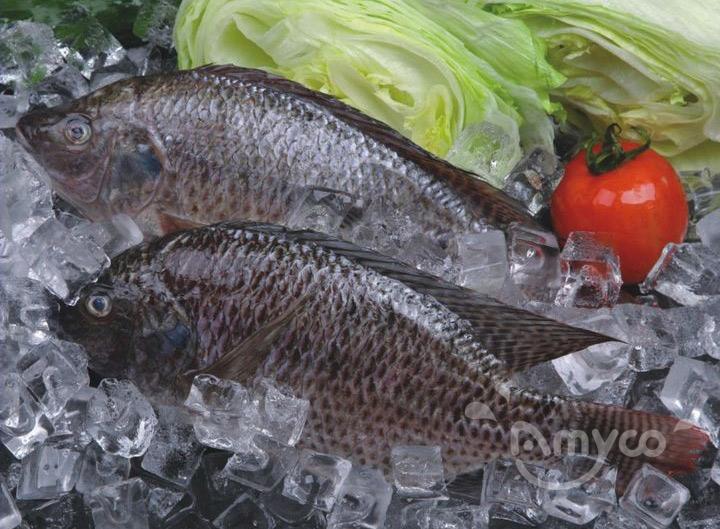
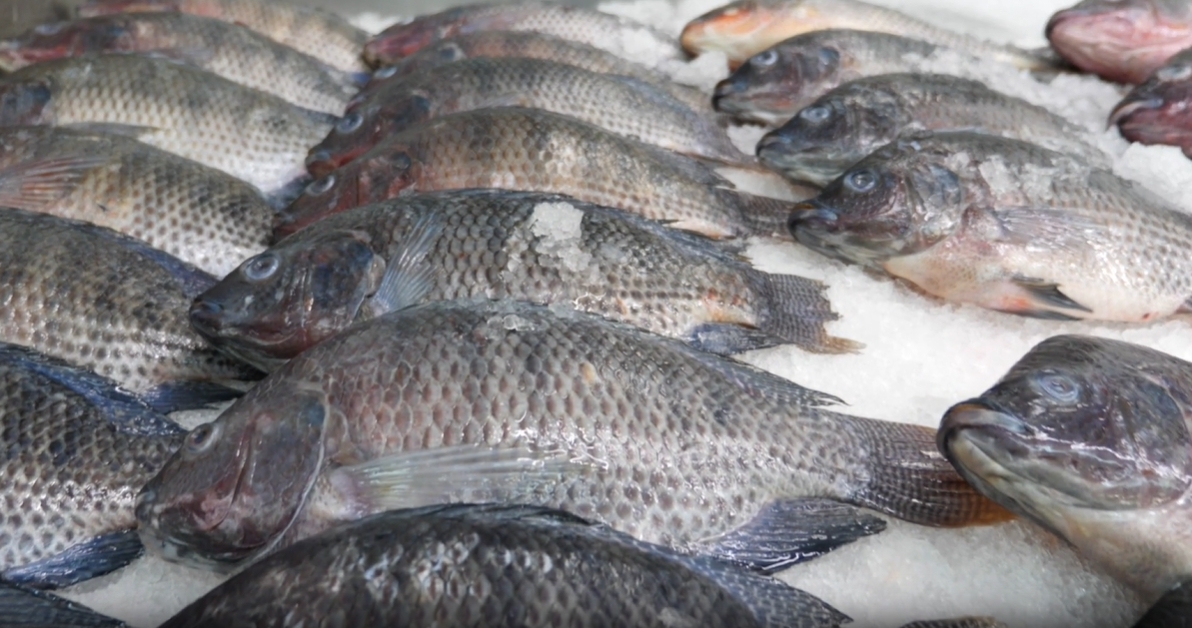
 China Tilapia – A Commercially Viable FishChina Tilapia China Tilapia – A Commercially Viable Fish China is by far the biggest producer of Tilapia Fish. Tilapia is a warm, freshwater fish belonging to the Cichlid family. The taste is mild with a sweet flavor, the meat being white, lean and flaky. Chinese Tilapia has a high protein content and it is low in fat. The fish generally grows to 1-1.5 pounds. This fish has a deep body, large scales, concave head and large jaws. There are spines on dorsal and anal fins. Tilapia fish is found in streams, canals, lakes, ponds and estuaries. Tilapia are not carnivorous. They eat algae and plants. Tilapia is low on the food chain and since they are not carnivorous they do not have toxins in their bodies. Hence it is a healthier food for humans. Commercially Tilapia is very popular because it is tasty. China's Tilapia has a very big market in all parts of the world. Therefore this is a cash generating fish. Amyco Group sells it Whole Gutted or as Tilapia Fillets. We harvest it from China and Vietnam. We offer excellent quality of China Tilapia at very competitive rates.